Never have we had more access to knowledge. Infinite internet, podcasts with experts, AI answering our every question. There is more information sitting in your phone than there was in all the world’s libraries just one generation ago.
Over centuries, we have steadily transformed the unknown into the knowable: phenomena once attributed to gods, spirits or magic can now be explained through physics, chemistry and biology. We can read the history of the universe in distant light, map the workings of the human brain, sequence an entire human genome and edit DNA itself. We have walked on the Moon, sent machines beyond our solar system and built technologies capable of communicating almost instantaneously across the planet. Knowledge that once took generations to accumulate can now be produced, shared and accessed in seconds.
Isn’t that just exhausting? And for all this extraordinary accumulation of data and information, I would not put my neck out to say we have gotten any wiser.
Mother nature still keeps her secrets
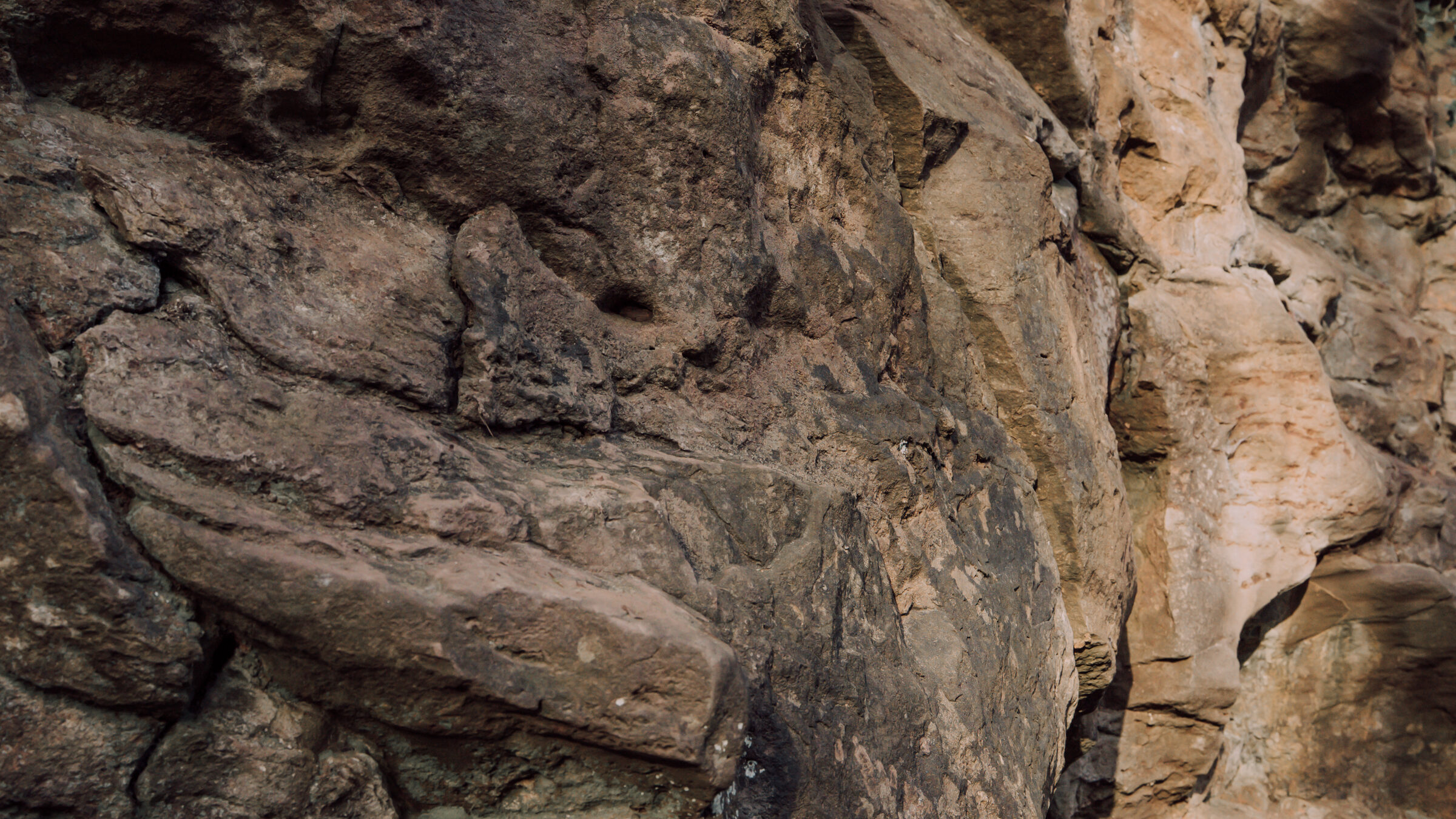
But mother nature still keeps her secrets. Despite the best scientific minds, and in the absence of a time machine, we will never know exactly what the world looked like at any point in time. Eons have passed without a human eye cast upon it. Geologists come up with their best interpretation of the past using fractions of evidence that has – against all odds – been preserved in the rock record for millions if not billions of years. What magic.
Rocks are eroded, buried, melted, folded and recycled; entire chapters of Earth’s history have simply disappeared. Between the layers of rocks we can study are gaps measured in millions of years - vast stretches of time for which we may never know exactly what happened.
In places like the Grand Canyon, up to a billion years of rock record has simply vanished, entire chapters of Earth's history eroded away with no trace left behind. Geologists still don't fully agree on how or when it happened, whether Snowball Earth glaciation scoured it away or tectonic upheaval during the breakup of an ancient supercontinent did the work. Literally missing pages from the book of Earth, and we can’t always say why they were torn out, or what was written on them.
There will always be blank spaces
That is what I love about geology. It is a story. A story of the earth we live on. And yet, despite the modern speed of human knowledge, the pace of geological time outweighs it all. We've had barely 200 years of modern geology to interrogate 4.5 billion years of history – and there will always be blank spaces. That is a humbling perspective on what we can never know, and there is something inherently beautiful about that. We tend to think of the unknown as a problem to be solved, but uncertainty is not a flaw it is a natural condition of being human.
There are things we cannot observe, experiences we cannot recreate and questions to which we will never know the answer. In a world increasingly obsessed with measuring, recording and explaining everything, perhaps we need to remember that not knowing can also inspire wonder. The gaps in our knowledge leave room for curiosity, imagination and inspiration. Perhaps our ego-centric species is not meant to know everything, and perhaps a life with nothing left to wonder about is no life at all.