I may be a southern girl, but Chester is my home. This gorgeous red-stoned city on the border of Wales has held me in heartbreak, shown me the beauty of small communities and given me a springboard to explore the hills of north Wales and beyond. Sprinkled with independent bars, cafes, bakeries, cheese shops, restaurants… all a girl could want. To borrow a Welsh word, and at the risk of being overly sentimental, my Cynefin.
Cynefin – a deep, instinctive sense of belonging, place and rootedness
I often joke that it is a poor-man’s York. Both northern cities built around impressive medieval centres, with Roman heritage and ancient city walls. But Chester, with its smaller scale, slightly less grand cathedral, and (thankfully) fewer tourists crowding the streets is its slightly less polished, less ambitious cousin. To me, this is not more apparent than in its architectural bedrock.
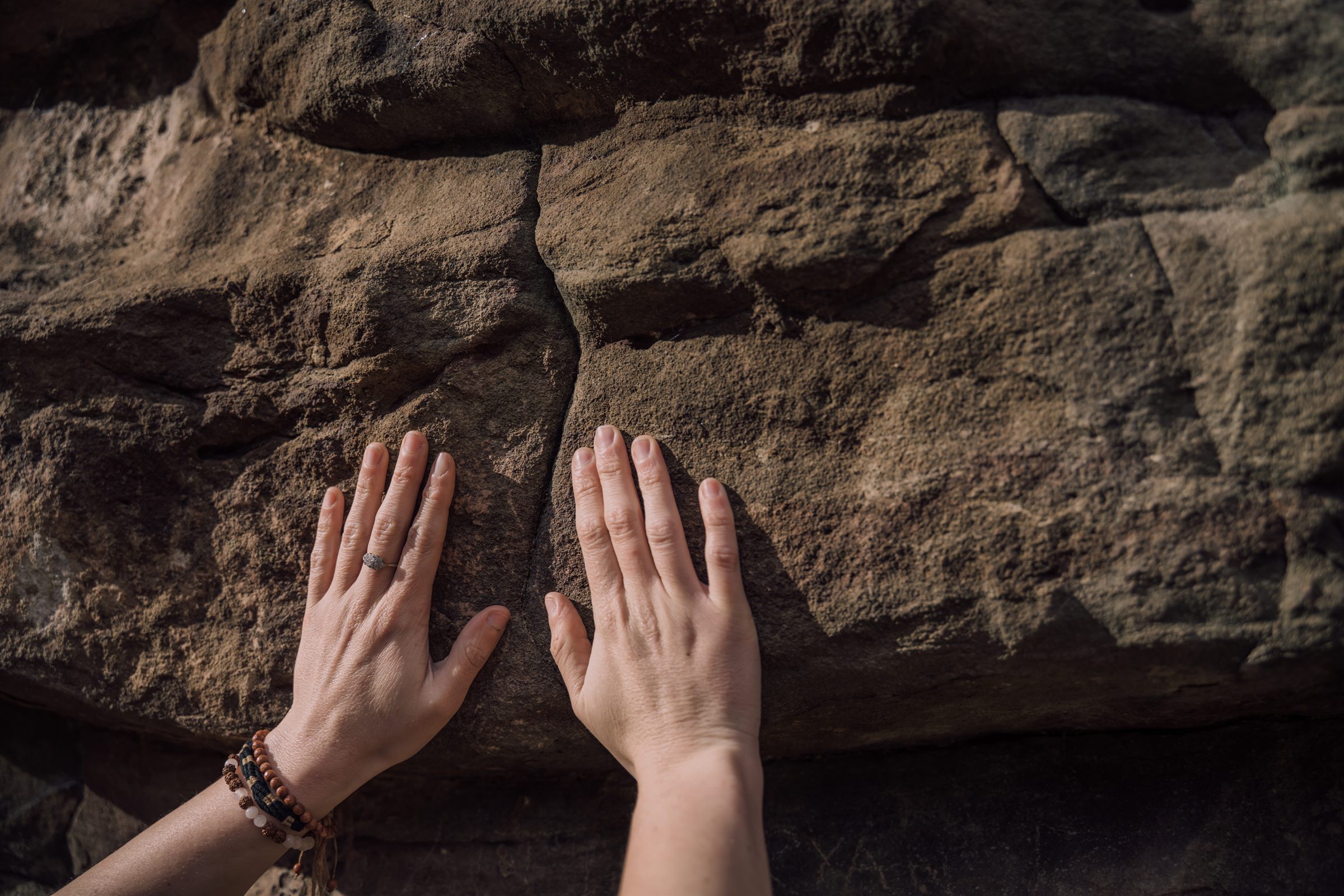
Chester sits on the Cheshire Basin where Triassic red sandstones were deposited in semi-arid environments 200-250 million years ago. The local sandstone became an obvious readily-available building material and its warm red/orange hue gives Chester a distinctive and cohesive appearance – almost as though the geology has imposed a rose-tinted palette on the city. Compare that to York’s famous pale limestone buildings, predominantly quarried from Permian rocks in the surrounding areas, giving the place a chilled, monumental, grander feel.
The architectural rocks running through Chester feel intimate and earthy.
The architectural rocks running through Chester feel intimate and earthy, like the ancient Cestrians just carved down into the bedrock and the city grew up from the spoils - and there are some gorgeous outcrops across the city. Most famous use of the ancient sandstone is in Chester’s Cathedral and City Walls. Much of the cathedral is built from the New Red Sandstone (Keuper Sandstone) giving it its characteristic warm red/brown colour. The stone being easy to carve facilitated the elaborate medieval detailing in the cathedral – but its relatively soft and porous qualities meant that weathering and pollution have caused a lot of damage and the need for extensive restoration.
The romantic city walls snake through the city, bobbing up and down past some of the best wonders of the city: ice cream shops, the racecourse, the crown court and old castle, roman gardens, community book shops, and, most definitely the best tapas restaurant in the area. (Perfect first date material - and who can argue if it ends in a jug of sangria?!). Progressive rebuilding of the wall incorporated stone from earlier structures, including the old amphitheatre, demonstrating how the same ancient sandstone has been reused over many centuries, using masonry techniques from across those different periods. The ultimate circular economy.
Perhaps most ethereal however, is just outside the city walls - the medieval ruins of St Johns Church. These haunted looking ruins incorporate the remains of what was effectively Chester’s first cathedral – and the warm red sandstone combined with weathered medieval masonry and surrounding greenery makes this one of the better places to appreciate the material without the influence of later human restoration.
(If you skirt over the fence from these ruins into Grosvenor Park, home to the most brazen squirrels you could ever meet, you’ll also see scattered stones and old romantic red stone archways. Whilst they are beautiful stone, and probably sourced from old city stones and religious sites, they have been placed there as Victorian follies, rather than original architectural structures!)
Perhaps, the best geological example in Chester isn’t a building at all.
But, perhaps, the best geological example in Chester isn’t a building at all. At Edgar's Field in Handbridge, you can see an actual exposed sandstone quarry face that was excavated by the Romans when they were constructing the fortress at Deva Victrix (the original Roman fortress that turned into the city of Chester).
This rock formation, which can be seen from the city walls across the river, shows the characteristic pattern of river-deposited sandstone with beautiful colour banding formed by the different iron content in the deposits. Back when it was deposited – 250 million years ago – the sand and pebbles here came from the slow erosion of the Variscan Mountain range in France, themselves formed by the massive tectonic forces of ancient colliding continents. The sediment would have been transported in a river similar to the Nile which travelled northwards through desert and semi-arid environments. A little different from the rainy, temperate England of today!
What makes this space that little bit more special, the Roman cherry on the cake, is the presence of Minerva’s shrine – a likeness of the Goddess Minerva carved directly into the sandstone quarry. This was possibly carved by quarry-workers for protection and stands in front of a cave cut out of the rock face as a shrine for offerings. This quarry and shrine are considered a unique survival in Britain, and is the only monument of its kind in Western Europe that remains in its original location.
A city full of stories.
So there you have it. A city full of stories. A riverbed running through a dry and dusty land millions of years ago, sourced from old eroding mountains. Romans quarrying and carving and building a fortress to protect their newly gained lands from the Celtic tribes to the west. Evolutions of buildings and generations of Cestrians that lived in them. And now, a city of modern people living modern lives, in an urban landscape built out of the ancient rocks from beneath our feet.