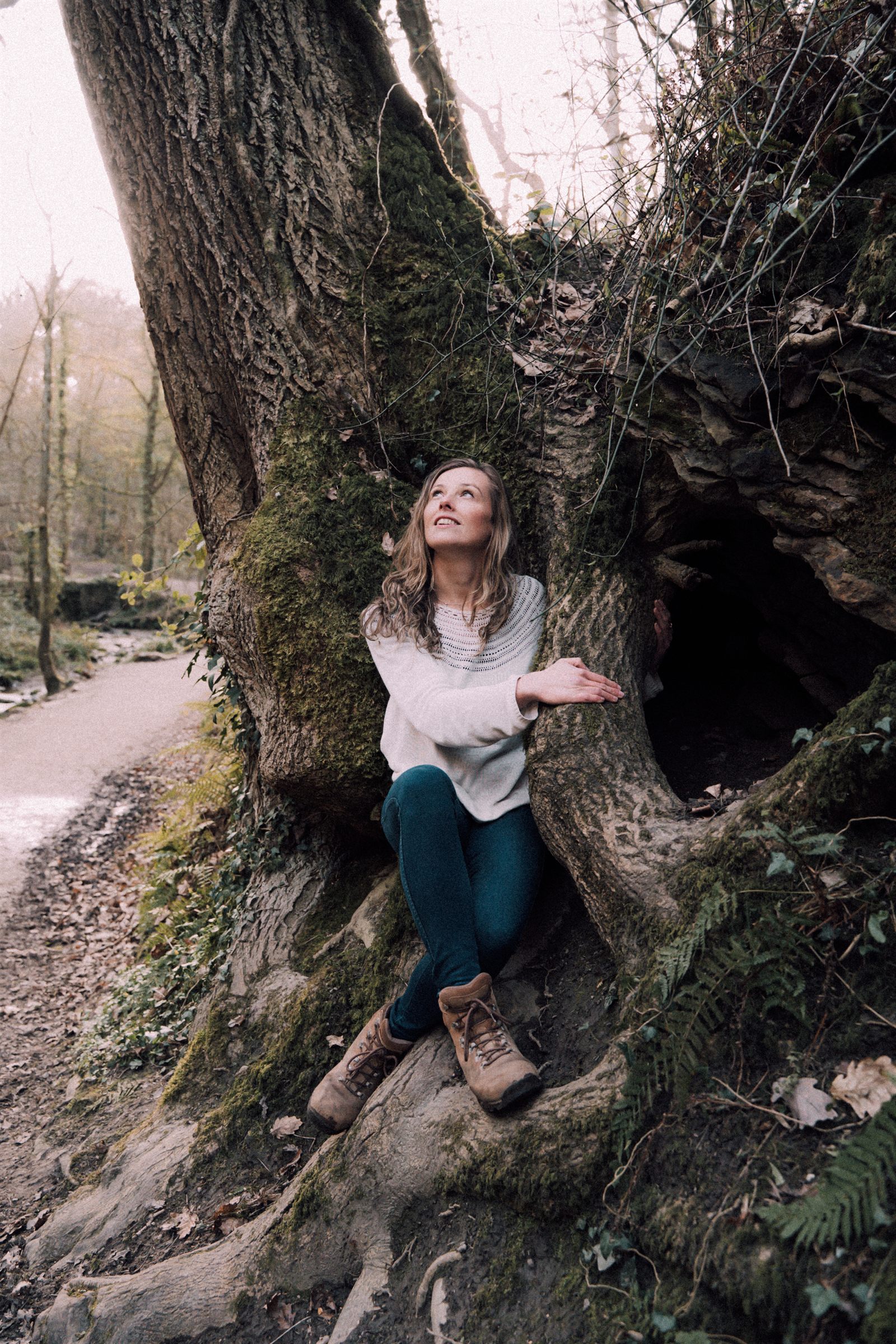
Inspired by my GeoMon article: Written in Rock: How Anglesey's Geology Shapes Its Wildlife
Most people notice ‘nature’ before they notice the rock underneath. A patch of orchids crowded into one corner of a field. Gorse and heather holding on in ground that looks like it should support nothing at all. A cliff ledge packed with nesting birds. The vibrant and showy, living and breathing nature taking the limelight from what lies beneath, usually out of sight, quietly grounding what chatters above.
What lives above, is supported by what goes below – the soil chemistry, drainage, how quickly water moves through rock, all of that is determined long before any plant or animal turns up to make use of it. The living world doesn't choose those conditions, but it must respond to them.
Anglesey is a useful place to see this close up. It's a small island with an unusually varied geological history packed underneath it, and you can watch the plant and animal life change as the rock changes beneath your feet, sometimes over a matter of metres. Limestone here, ancient hard rock there, a volcanic sulphide deposit somewhere else – they all support unique habitats. This can be seen not more so than at Parys Mountain, where, poisoned by centuries of copper mining into some of the most hostile soil in Wales, it has its own specialists: metal-tolerant plants and microbes that have found a way to read the harshness and live inside it rather than around it. None of these places are choosing their own character. The rock is choosing it for them, from below, out of sight.
It's not only Anglesey, and it's not only wild landscapes. It's why a bottle of Champagne tastes like Champagne. The vines sit on a chalk subsoil that stores water and releases it slowly through capillary action, keeping the roots just stressed enough to concentrate flavour without starving the plant. Plant the same grape on different ground and you taste a different wine, because something underground changed the rules. Wherever a landscape has a distinct character, a vineyard, a hillside, a regional crop that only really works in one place, there's usually a piece of geology working underneath it, rarely credited, doing most of the deciding.
I find this steadying, more than I find it merely interesting. There's something in it about not mistaking the visible for the whole picture, about resisting the urge to explain a landscape, or a person, by what's showing on the surface alone.
This is, in a roundabout way, close to what Uncommon Ground is trying to do: not to romanticise the ground beneath our feet, but to take it seriously as an explanation, one layer down from where most of us are used to looking. Geology tends to get filed under "the past", finished, done, irrelevant to daily life. But it isn't. It's still deciding what grows, what survives, and helping build the landscape we live in today. Visible things resting on invisible foundations.
That's the habit I'm trying to build, in myself and in anyone who comes on a walk with me: to look at what's growing, thriving, or barely surviving on the surface, and ask what's underneath it that isn't shouting about itself. It's a slower way of seeing a landscape. It's also, I think, a more honest one.