I’m delighted to be able to share some of my PhD research with an audience brought together through GeoMôn’s Winter talk series.
GeoMôn is a registered charity and non-profit organization that manages the GeoMôn UNESCO Global Geopark, which encompasses the entire island of Anglesey (Ynys Môn) in North-West Wales. It is a fantastic island, with nearly 1.8 billion years of Earth's history and contains over 100 distinct rock types from almost every geological period, and holds a special place in my heart.
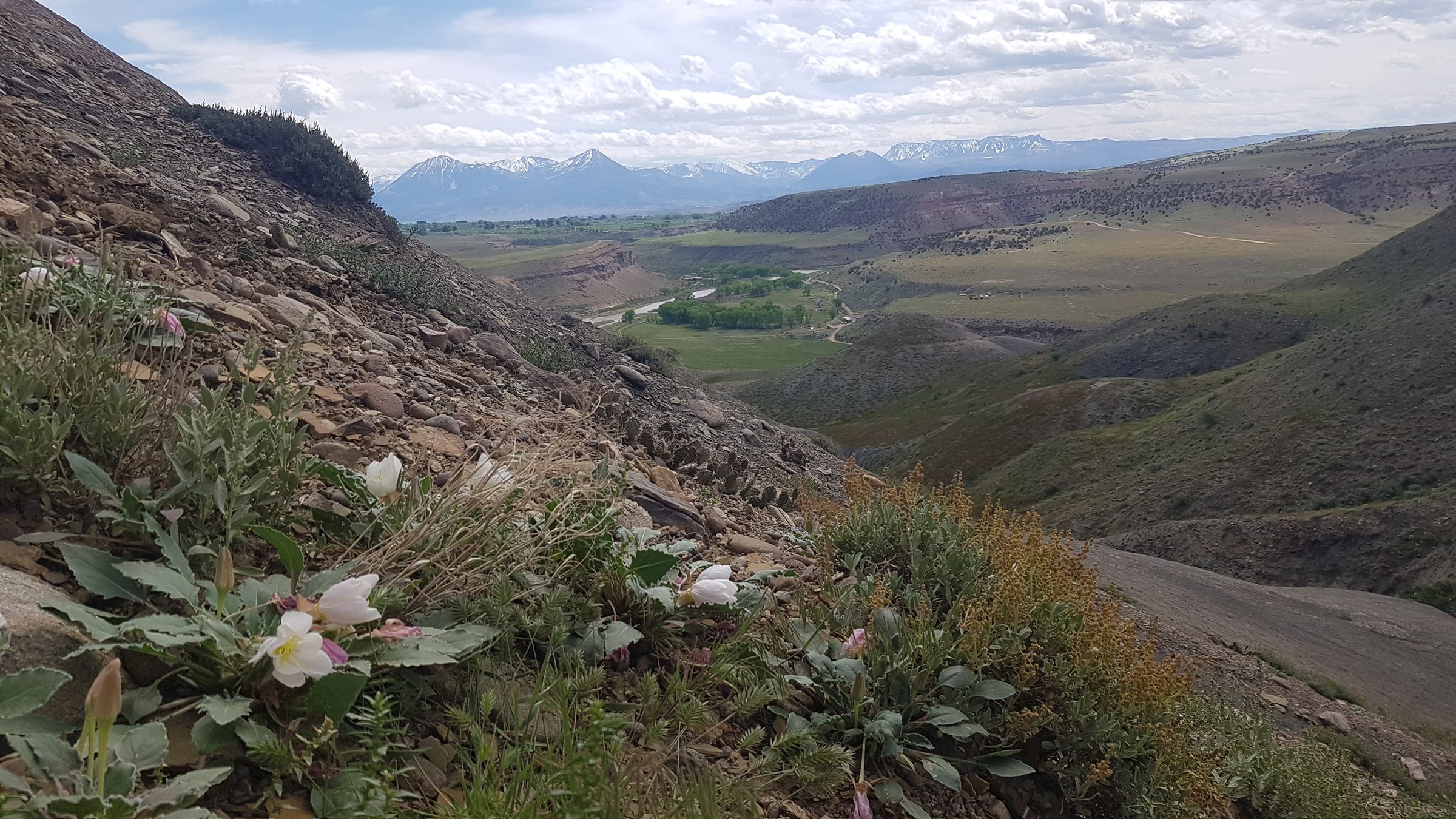
My talk takes us on a journey across the Atlantic to the dusty rocks of Colorado… see the talk info below, click on the link to access and come join me to learn some cool stuff.
About the talk
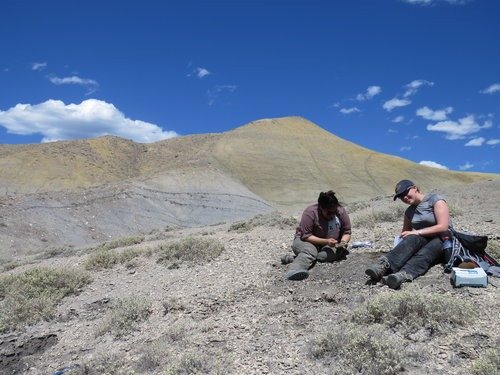
Around 93 million years ago, much of the world's oceans lost their oxygen almost entirely. Strangely, one inland sea bucked the trend: the Western Interior Seaway, which once split North America in two, saw pulses of oxygen return to its waters even as the rest of the planet's oceans suffocated. Drawing on her PhD research analysing ancient seafloor sediments from this seaway, geologist and GeoMôn volunteer Libby Robinson explains how geochemists reconstruct the chemistry of long-vanished oceans, why this one region behaved so differently, what happened to marine life through it all, and what this deep time puzzle can (and can't) tell us about ocean deoxygenation happening today.